Mobile Wallet Revolution: How Consumer Spending Habits Are Changing

Sarah Mitchell
25 March 2026
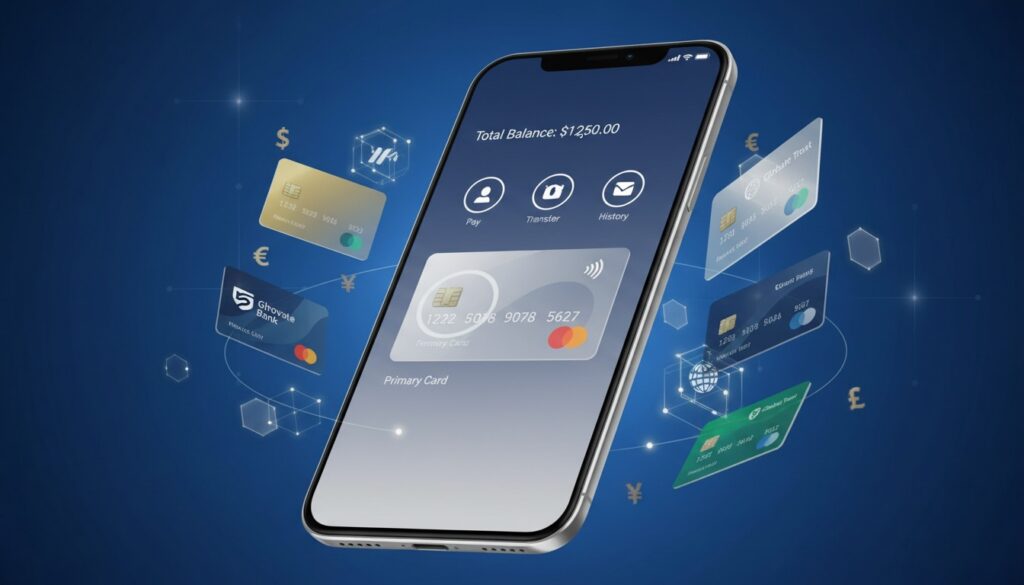
Mobile Wallet Revolution: How Consumer Spending Habits Are Changing
Introduction
The way we pay for goods and services has undergone a dramatic transformation over the past decade. What once required physical cash or plastic cards can now be accomplished with a simple tap of a smartphone. Mobile wallets have evolved from a futuristic concept to an essential tool that millions of consumers rely on daily.
With global mobile wallet adoption rates exceeding 2.8 billion users in 2023, we’re witnessing a fundamental shift in consumer behavior that’s reshaping entire industries. This digital payment revolution isn’t just changing how we spend money—it’s transforming when, where, and why we make purchases.
The Current Mobile Wallet Landscape
Market Penetration and Growth Statistics
The numbers tell a compelling story of rapid adoption:
- 74% of consumers in major metropolitan areas use mobile wallets regularly
- Mobile payment transaction volume grew by 28% year-over-year in 2023
- Contactless payments now account for over 40% of all in-store transactions
- Small businesses report a 35% increase in average transaction size when customers use mobile wallets
- 23% increase in impulse purchases among mobile wallet users
- Higher frequency of small-value transactions
- Reduced cart abandonment rates in e-commerce (down 18%)
- Increased willingness to try new merchants and services
- Omnichannel Integration: Customers expect consistent payment experiences across online, in-store, and mobile app purchases
- Loyalty Program Evolution: Mobile wallets enable sophisticated reward systems that track customer behavior across multiple touchpoints
- Inventory Management: Real-time payment data provides valuable insights into purchasing patterns and inventory optimization
- Contactless Ordering: QR code menus linked to mobile payment systems became essential during the pandemic and remain popular
- Tip Customization: Digital tipping options have increased average tip amounts by 15-20%
- Loyalty Integration: Coffee shops and quick-service restaurants use mobile wallets to drive repeat visits through gamification and rewards
- Unified Transit Payments: Single mobile wallet accounts work across buses, trains, ride-sharing, and bike-sharing services
- Dynamic Pricing: Real-time fare adjustments based on demand and route optimization
- Seamless Travel: International travelers can use familiar mobile wallet interfaces in foreign countries
- Biometric Authentication: Fingerprint, facial recognition, and voice verification
- Tokenization: Actual card numbers are never transmitted during transactions
- Device-Specific Encryption: Each device generates unique cryptographic keys
- Real-time Fraud Detection: AI-powered systems analyze spending patterns for anomalies
- 67% of users now consider mobile wallets more secure than physical cards
- Fraud rates for mobile payments are 40% lower than traditional card transactions
- Zero-liability policies from major providers have eliminated consumer financial risk
- Merchant Acceptance: Approximately 25% of small businesses still lack NFC-capable payment terminals
- Internet Connectivity: Rural and developing areas face challenges with consistent mobile data access
- Device Compatibility: Older smartphones may not support the latest mobile wallet features
- Age Factor: Users over 65 show 60% lower adoption rates compared to millennials
- Income Levels: Higher-income consumers are 3x more likely to use mobile wallets regularly
- Geographic Distribution: Urban areas show 85% higher usage rates than rural communities
- Open Banking Initiatives: APIs that allow third-party developers to build applications around financial institutions
- Central Bank Digital Currencies (CBDCs): Government-issued digital currencies integrated with mobile wallet platforms
- Enhanced Consumer Protection: Stricter regulations ensuring data privacy and transaction security
- Multi-Platform Support: Accept all major mobile wallet providers to maximize customer convenience
- Staff Training: Ensure employees understand mobile payment processes and can assist customers
- Marketing Communication: Educate customers about available mobile payment options and their benefits
- Performance Monitoring: Track adoption rates, transaction values, and customer satisfaction metrics
- Research mobile wallet providers that align with your customer demographics
- Evaluate your point-of-sale systems for compatibility upgrades
- Develop a timeline for implementation and staff training
- Create marketing materials to promote new payment options to your customers
Leading Mobile Wallet Platforms
The competitive landscape has consolidated around several key players:
Apple Pay dominates in premium demographics, with particularly strong adoption among users aged 25-45. Its seamless integration with iOS devices and emphasis on security through biometric authentication has made it the preferred choice for high-income consumers.
Google Pay has captured significant market share through its cross-platform compatibility and integration with Android’s massive global user base. Its ability to work across different manufacturers and operating systems gives it a distinct advantage in emerging markets.
Samsung Pay leverages both NFC and MST (Magnetic Secure Transmission) technology, allowing it to work with older payment terminals that competitors cannot access.
“Mobile wallets have become the gateway to a completely reimagined shopping experience. They’re not just payment tools—they’re lifestyle enablers.” – Digital Commerce Expert
How Mobile Wallets Are Reshaping Consumer Behavior
Impulse Purchasing and Friction Reduction
The elimination of payment friction has had profound effects on spending patterns. Traditional payment methods required multiple steps: finding a wallet, selecting the right card, entering a PIN, or signing a receipt. Mobile wallets reduce this process to a single tap or facial recognition scan.
This streamlined experience has led to:
The Psychology of Digital Spending
Research reveals fascinating insights into how mobile payments affect our psychological relationship with money:
Reduced Pain of Payment: When physical cash or cards aren’t involved, consumers experience less psychological discomfort during transactions. This phenomenon, known as the “pain of payment,” traditionally served as a natural spending brake.
Enhanced Budget Tracking: Paradoxically, while mobile wallets may encourage more frequent spending, they also provide superior transaction tracking. Real-time notifications and spending categorization help users maintain better awareness of their financial habits.
Social Commerce Integration: Mobile wallets seamlessly integrate with social media platforms, enabling instant purchases directly from social feeds, stories, and advertisements.
Industry-Specific Transformations
Retail and E-commerce
Physical retailers have had to rapidly adapt their point-of-sale systems and customer experience strategies:
Food Service and Hospitality
The restaurant industry has experienced particularly dramatic changes:
Transportation and Mobility
Public transportation systems worldwide have embraced mobile wallet integration:
Security and Trust Factors
Advanced Authentication Methods
Modern mobile wallets employ multiple layers of security that often exceed traditional payment methods:
Building Consumer Confidence
Despite initial skepticism, consumer trust in mobile payments has grown substantially:
Challenges and Barriers to Adoption
Technical Infrastructure Limitations
While adoption has been rapid in developed markets, several challenges remain:
Demographic Disparities
Adoption rates vary significantly across different population segments:
Future Trends and Predictions
Emerging Technologies
Several technological developments will further accelerate mobile wallet evolution:
Artificial Intelligence Integration: AI will enable predictive spending recommendations, automatic budgeting, and personalized financial advice delivered through mobile wallet interfaces.
Blockchain and Cryptocurrency: Integration with digital currencies and decentralized finance (DeFi) protocols will expand mobile wallet functionality beyond traditional fiat currencies.
Internet of Things (IoT) Payments: Smart devices, from refrigerators to cars, will initiate autonomous payments through connected mobile wallet systems.
Regulatory Evolution
Governments worldwide are developing frameworks to support and regulate digital payments:
Implications for Businesses
Strategic Adaptation Requirements
Companies across all industries must consider how mobile wallet adoption affects their operations:
Customer Experience Design: User interfaces and customer journeys must accommodate mobile-first consumers who expect instant, frictionless transactions.
Data Analytics Capabilities: Mobile wallets generate rich datasets about customer behavior, preferences, and spending patterns that require sophisticated analysis tools.
Partnership Strategies: Collaboration with mobile wallet providers, fintech companies, and technology platforms becomes essential for competitive advantage.
Implementation Best Practices
Successful mobile wallet integration requires careful planning:
Conclusion
The mobile wallet revolution represents far more than a simple evolution in payment technology—it’s a fundamental reimagining of the relationship between consumers and commerce. As we’ve explored, these platforms are driving changes in spending behavior, business operations, and economic structures that will continue to accelerate in the coming years.
For consumers, mobile wallets offer unprecedented convenience, security, and financial control. The ability to complete transactions instantly, track spending in real-time, and integrate payments with other digital services has created expectations that will only grow stronger.
For businesses, the imperative is clear: adaptation is not optional. Organizations that embrace mobile wallet integration, understand the behavioral changes they drive, and leverage the data insights they provide will gain significant competitive advantages. Those that resist or delay implementation risk losing market share to more digitally-savvy competitors.
The transformation is still in its early stages. As artificial intelligence, blockchain technology, and IoT devices become more prevalent, mobile wallets will evolve into comprehensive financial management platforms that touch every aspect of our economic lives.
Call-to-Action
The mobile wallet revolution is happening now, and your business needs to be part of it. Start by auditing your current payment systems and identifying opportunities for mobile wallet integration. Survey your customers to understand their preferences and pain points with existing payment methods.
Take action today:
Don’t let your competition gain the advantage of serving mobile-first consumers better than you do. The future of commerce is mobile, and that future is now.